Scuba Diving and Snorkeling Spots
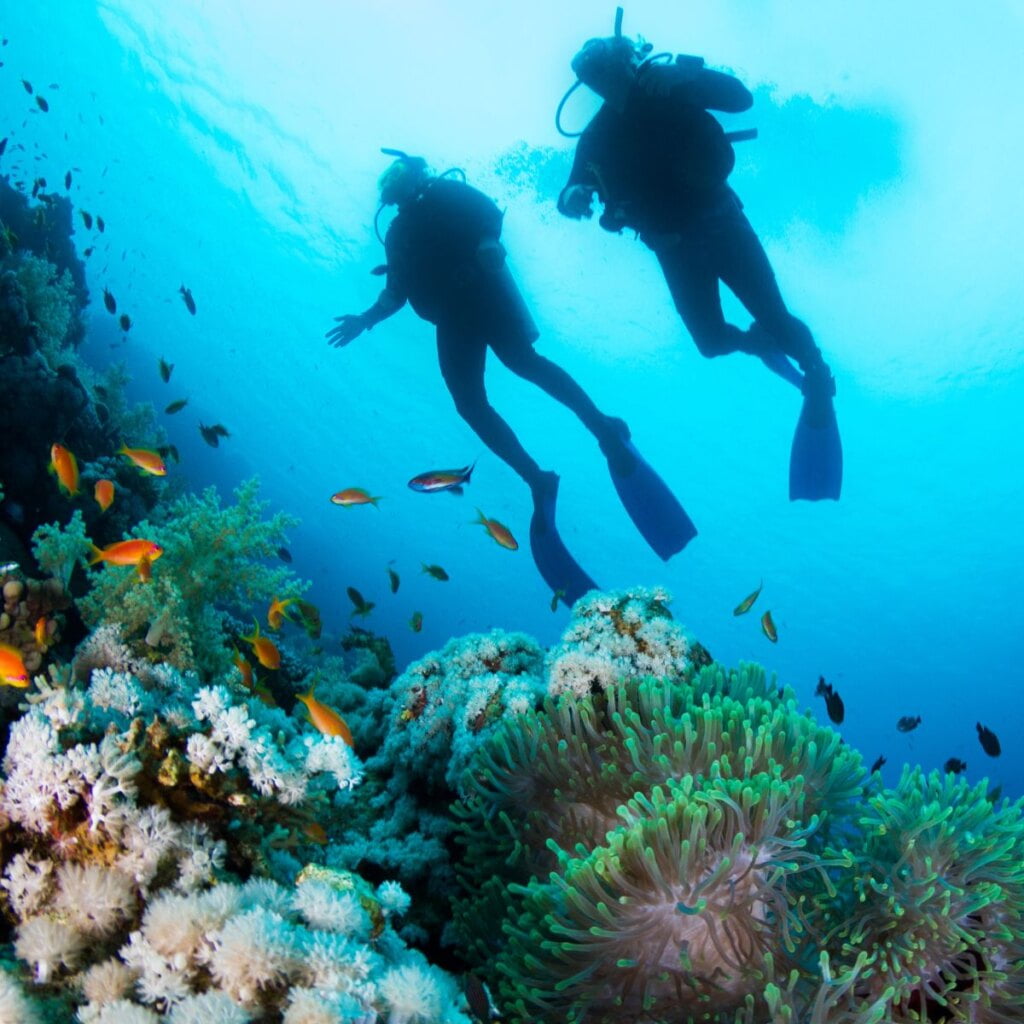
Orange County offers excellent shore diving and snorkeling, especially along Laguna Beach, where rocky reefs, kelp forests and protected marine habitats support abundant marine life. From beginner-friendly coves in favorable conditions to deeper reefs and wreck dives for experienced divers, there are options for a range of skill levels.
Snorkeling offers another way to explore Southern California’s coastal marine life from the surface. Conditions can change quickly, so always check surf, swell, tides, visibility and water temperature before entering. Use appropriate exposure protection, never disturb or collect marine life, and remember that a site suitable for scuba diving is not automatically safe for snorkeling.
Before you go: Scuba divers should be properly trained and certified, dive with a buddy and stay within their training and experience. Beginners should consider diving with a local instructor or guide. Much of the Laguna Beach coastline is protected by Marine Protected Areas, so fishing, collecting and disturbing marine life may be prohibited.
Quick guide: Laguna Beach | Boat Dives | Catalina | Best Time to Dive | Marine Life | Learn to Dive
Laguna Beach Diving & Snorkeling Spots
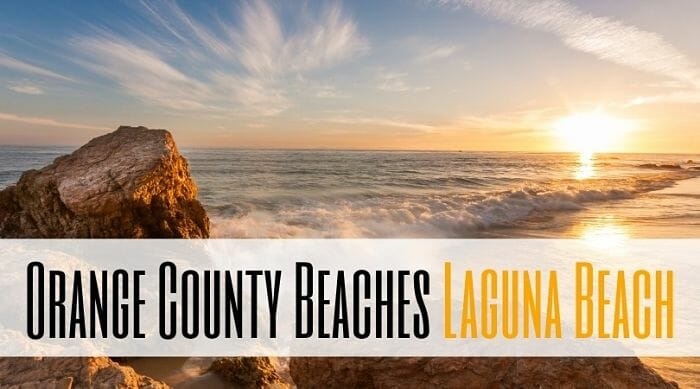
Laguna Beach is Orange County's main concentration of shore-diving and snorkeling sites, with rocky reefs, coves and kelp habitat along a coastline that includes several Marine Protected Areas. Access varies by beach and may involve stairs, rocks or sandy entries. Parking is limited in many neighborhoods, so allow extra time and check the specific access point before arriving.
Laguna Beach has several excellent scuba and snorkeling areas, but suitability depends on surf, surge, tides, visibility and the swimmer's experience. Some deeper reefs and offshore sites are intended for trained scuba divers rather than casual snorkelers. The coastline includes a network of Marine Protected Areas that help protect its rocky reefs, kelp forests and marine life.
Shaw’s Cove
989 Cliff Drive, Laguna Beach, CA 92651
Shaw’s Cove has a relatively accessible beach entry and is popular with divers. In favorable conditions, it can be suitable for newer divers with appropriate training and supervision. Shaw's Cove boasts numerous steps, cold water (like every other California dive spot), and difficult parking during peak diving hours in the early morning. This location also allows for more experienced divers to dive the Crevice which is best dove when the surge is still. At the end of the Crevice is the Crescent Bay Arch. The Crevice and Crescent Bay Arch are better suited to experienced divers who are comfortable with navigation, surge and current conditions.
Wood’s Cove
1991 Ocean Way, Laguna Beach 92651
Wood’s Cove, another Laguna dive spot, is popular for a reason. Laguna Beach's coastline includes several Marine Protected Areas. Local reefs can support California spiny lobster, California sheephead, garibaldi — California's state marine fish — nudibranchs, sea stars and many other species. Wood's Cove features an active reef that is home to all of these protected fish and other marine life. Only street parking is available here and can be difficult - especially during the busiest part of the day.
Diver's Cove
375 Cliff Drive, Laguna Beach 92651
Diver's Cove is popular with scuba divers and can be suitable for newer divers when ocean conditions are favorable. The cove has reef habitat and is also used for night diving by experienced divers. Conditions can change quickly: shore break, rocks and rip currents can make the cove hazardous, particularly during heavier surf. Parking is limited, especially on busy weekends.
Heisler Park / Picnic Beach
375 Cliff Drive, Laguna Beach 92651
Heisler Park fronts several beach and reef areas, including Picnic Beach. When surf and visibility cooperate, the area can offer good scuba diving and snorkeling around rocky reef and kelp habitat. Entry points and conditions vary, so check the specific beach, surf and currents before entering. Divers and snorkelers should use exposure protection appropriate for the day's water temperature.
Crescent Bay
100 Barranca Way, Laguna Beach 92651
Nearby is Shaw's, but Crescent is a different experience. Experienced divers may head toward Seal Rock, where sea lions are sometimes observed; give all marine mammals plenty of space and never approach or pursue them. Dead Man’s Reef is farther offshore and involves a substantial surface swim, navigation and changing ocean conditions, making it more appropriate for experienced divers. Parking here, like much of Laguna, is sparse but the site does have some street parking on Cliff Drive and adjacent side streets. Crescent Bay is also a good spot for snorkelers.
Cleo Street Barge
Beach access is via Cleo Street a short distance south of the intersection of PCH and Laguna Canyon.
Cleo Street Barge, also known as Foss 125, is a shore-access wreck dive. Reaching the wreck requires a long surface swim and reliable navigation, so this is better suited to experienced divers who are comfortable with local conditions and wreck diving. Depth and conditions vary, and divers should confirm current site information before attempting the dive. The Cleo Street Barge was built in 1919 as the USN YC-470. While operating in Laguna Beach it was known as the "Foss 125" and sank during a wind storm.
Orange County Snorkeling Spots
For snorkeling, favor protected coves and shallow reef areas on days with low surf and good visibility. Shaw’s Cove and Diver’s Cove can offer reef snorkeling in favorable conditions, while Crescent Bay can also work for confident swimmers when the ocean is calm. Treasure Island Beach / Goff Cove and Christmas Cove are additional Laguna Beach areas to consider when conditions permit. Snorkelers should remain close to shore, avoid offshore scuba objectives such as Dead Man’s Reef and Cleo Street Barge, and turn back whenever surf, current or visibility becomes uncomfortable.
Best for beginners: Protected coves in calm conditions with easy shore access. Best for experienced divers: Offshore reefs, long surface swims and wreck sites. Best for wreck diving: Cleo Street Barge. Best for boat diving: Riviera’s Orange County coastal trips and Sundiver’s island trips. Worth the trip: Casino Point on Catalina Island.
Crystal Cove State Park
Crystal Cove State Park is an excellent addition for Orange County scuba divers, with an underwater park that includes kelp forest, rocky reef and sandy-bottom habitat. Common shore-diving areas include Reef Point, Rocky Bight and Pelican Point. Conditions, surf and entry difficulty vary, so divers should check current conditions and choose an entry appropriate for their training and experience.
Goff Cove, Treasure Island & Christmas Cove
For snorkeling in South Laguna, Goff Cove and the neighboring Treasure Island and Christmas Cove area are worth considering when conditions are favorable. Goff Cove is relatively protected from some surf and offers snorkeling and scuba opportunities around rocky reef habitat, although currents can develop around the rocks. These beaches are within protected marine areas, so visitors should observe marine life without collecting or disturbing it.
Boat Dives
Boat diving gives divers access to offshore reefs, wrecks and island sites that may be difficult or impossible to reach from shore. Orange County divers can find local charters as well as trips departing from nearby Long Beach for Catalina and the outer islands. Destinations depend on weather, ocean conditions and operator schedules.
Riviera Dive Boat
The Riviera operates from Dana Point Harbor and offers local two-tank scuba trips along the Southern California coast. The 40-foot Coast Guard-certified vessel is configured for up to 20 divers, and current local trips can visit harder-to-reach sites around Laguna Beach and the Orange County coast. Tanks and trim weights are available on board; check the operator's current schedule and requirements before booking.
Sundiver Boat
Sundiver operates a fleet from Alamitos Bay Marina in Long Beach for day and overnight Southern California dive trips. Its 54-foot Sundiver carries up to 22 divers on scheduled day and overnight trips, including Catalina, San Clemente and Santa Barbara islands. Sundiver II serves smaller groups and research or search projects, while Sundiver Express carries larger day-trip groups. Check the current charter schedule and destination before booking because weather and island closures can affect itineraries.
Worth the Trip: Catalina Island
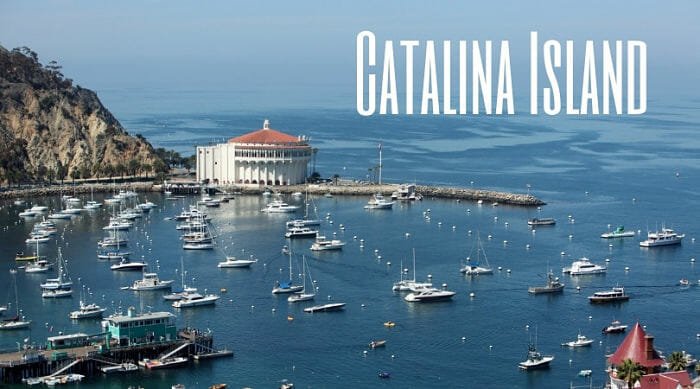
Catalina Island is outside Orange County but is a major nearby destination for Southern California divers and snorkelers. Avalon provides shore access to Casino Point Dive Park, where kelp forests and rocky reefs support garibaldi, California sheephead, California spiny lobster and, at times, giant sea bass.
Casino Point Dive Park
Casino Point State Marine Conservation Area is a no-take marine protected area next to Avalon. The waters surrounding Casino Point became one of the country's first underwater parks in the 1960s. Today it is especially popular for shore diving and snorkeling, with rocky reef and kelp forest habitat extending to depths just beyond 70 feet. A staircase and railing provide convenient shore entry. No take of living, geological or cultural marine resources is allowed within the protected area.
Visibility around Catalina can be excellent, particularly when weather, swell and wind cooperate. Island visibility often reaches around 50 feet and can exceed 100 feet, but conditions vary by day and location. Southern California water is cool enough that divers generally use substantial exposure protection year-round.
Catalina's rocky reefs, kelp forests and marine protected areas support diverse fish and invertebrate communities. The Dive Park offers dive and snorkeling rentals nearby and bathrooms 200 yards from the beach entry. Once divers and snorkelers are done in the water, you can enjoy the beauty and small-town vibe of Avalon.
Whether you are scuba diving or snorkeling, check current ocean conditions before entering, choose a site appropriate for your experience and respect all Marine Protected Area rules. For more coastal ideas, see our guide to ways to experience Orange County by water.
Best Time to Dive in Southern California
Diving in Southern California can be enjoyed all year with some obvious considerations that the winter months (December-February) will be cooler than the summer months (June-August). The best season to see bigger animals starts from spring through late fall. Gray whales typically pass through from mid-December to mid- April. Visibility can be better in the fall when there is less wind compared to the spring.
Many Southern California divers use a 7 mm wetsuit with a hood and gloves, while others use drysuits, particularly in colder conditions. Exposure protection should be selected for the day's water temperature, dive depth, duration and the individual diver.
Southern California visibility and water temperature vary considerably by location, depth, swell and season. Coastal visibility may be limited after surf or runoff and much clearer during favorable periods; offshore island sites can be clearer. Check current local conditions and temperatures before choosing exposure protection or planning a dive.
Not ready to dive but still want to check out the Southern California? Try these Orange County tidepools.
Marine Life You May See While Diving in Southern California
- Harbor Seal
- California Sea Lions
- Dolphins
- Humpback Whales
- Wolf Eel
- Moray Eel
- California two-spot octopus
- Green sea turtle (occasional sighting)
- Large Schools of Fish
- Giant Black Sea Bass, Sand Bass, Kelp Bass
- California halibut, garibaldi, California sheephead, señoritas and sculpin
- California Scorpionfish
- Pacific Seahorse
- Pacific White-sided dolphins
- Pacific Barracuda
- Torpedo, Bat Rays
- Round Stingray
- Catalina Goby
- Angel Shark
- Horn Shark
- California spiny lobster
- Leopard Shark
- Nudibranchs
- Molluscs
- Hermit crabs
- Crustaceans
- Sponges and anemones
Learn to Scuba Dive
Beach Cities Scuba: Offers courses in Dana Point, Laguna Beach, Cypress, Huntington Beach, Newport Beach, and Oceanside.
Dive & Photo: Costa Mesa based dive center offers PADI courses for open water and technical diving and a number of specialty courses.
Ocean Gear Scuba Center: Huntington Beach dive shop offers a variety of scuba programs including a high school scuba program and AP environmental science, SCUBA certification, and advanced classes and workshops.
Lost Winds: Offers courses and lessons in scuba diving, free diving and spear fishing in San Clemente and Dana Point.